- pjiphi.jpg
Welcome to Hoboya Phuket!
- divinglicens.jpg
#1 in Licensed Certifications – Dive with Confidence!
- whale shark.jpg
Daily Fun Dives in Four Amazing Directions
- mantaray.jpg
Spot Manta Rays Here in Phuket!
- nemo.jpg
Meet Nemo on Our Popular Trial Dives
- divingboat.jpg
Connect with Fellow Ocean Lovers


History of Phuket
Phuket Flourished Through Trade
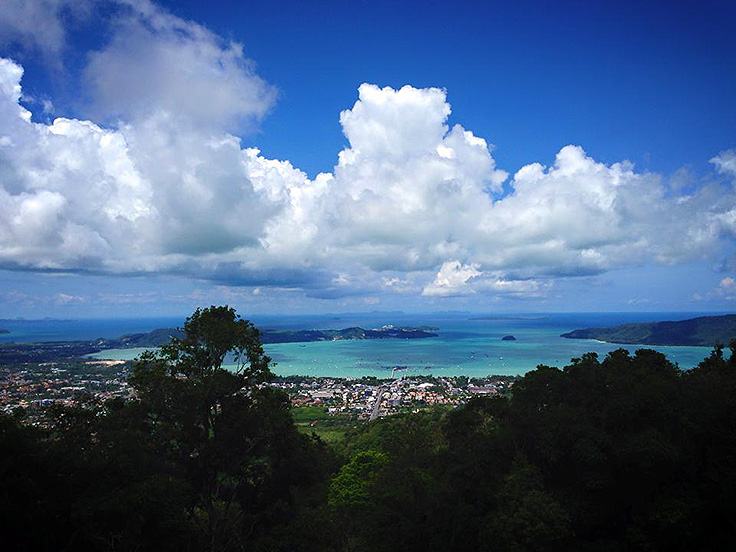
Phuket Island lies in the Andaman Sea on the west side of the Malay Peninsula. The Andaman Sea connects to the vast Indian Ocean, which is dotted with beautiful islands like the Maldives and Phuket.
Phuket measures approximately 50 km north to south and 21 km east to west, covering an area of 543 km². It is surrounded by 32 smaller islands and is known as the "Pearl of the Andaman Sea," making it Thailand’s largest island (for comparison, Koh Samui is the third largest in Thailand).
Phuket is separated from the Thai mainland by a narrow channel but is connected via the Sarasin Bridge, allowing access to the island by land.

In the 16th century, Portuguese visitors arrived, and Chinese merchants came to trade in tin and rubber, contributing to the island’s development. Since the 1980s, tourists from around the world have been attracted by its stunning sea and natural beauty, leading to rapid development and establishing Phuket as an international-class resort destination.
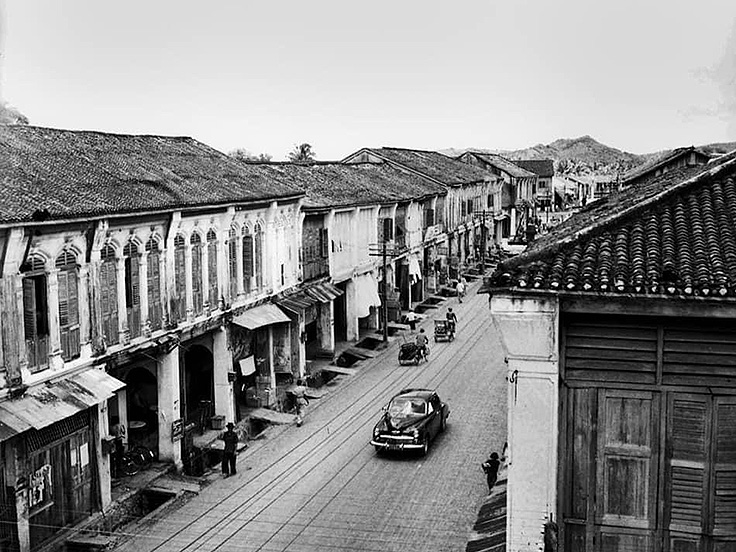
Phuket has a variety of beaches and areas, each with its own character. The east side of the island faces the Phuket Sea, dotted with small islands and across from Koh Phi Phi and Krabi. The west side faces the Andaman Sea, where most resorts catering to tourists are located, while the Phuket Sea side hosts ports, yacht harbors, and traditional fishing villages. The main hub is around Patong Beach, where countless restaurants and accommodations line the streets, bustling late into the night. Swimming-friendly beaches are mainly along the west coast.
Phuket Island forms the entirety of Phuket Province, and Phuket Town, the provincial capital, is a hub of shopping centers and local commerce. Most 4- to 5-star hotels have spas, offering traditional Thai massages as well as the latest treatments.