- pjiphi.jpg
Welcome to Hoboya Phuket!
- divinglicens.jpg
#1 in Licensed Certifications – Dive with Confidence!
- whale shark.jpg
Daily Fun Dives in Four Amazing Directions
- mantaray.jpg
Spot Manta Rays Here in Phuket!
- nemo.jpg
Meet Nemo on Our Popular Trial Dives
- divingboat.jpg
Connect with Fellow Ocean Lovers


The Thai Royal Family
The Thai Monarchy
King Rama IX Bhumibol Adulyadej
The Thai people hold the monarchy in high regard, and most homes, schools, and offices display a portrait of the King. The current monarch is King Rama X, Vajiralongkorn. King Rama IX Bhumibol Adulyadej is still dearly loved, and his birthday is celebrated as "Father’s Day," a public holiday.
Thailand also observes many royal-related holidays, such as the founding of the current dynasty, King Rama V’s death anniversary, and the birthdays of the current King and Queen.
At major train stations and bus terminals, the Thai national anthem is played twice daily. Everyone is expected to stand until it finishes.
Thailand has strict lèse-majesté laws. Disrespectful words or actions toward the royal family are strictly prohibited, and foreigners can face legal consequences if they behave inappropriately.
Manners in Thailand
Devout Buddhists
90% of Thais practice Buddhism. While Japan has a relatively secular society, Buddhist customs are deeply integrated into daily life. This often creates a sense of familiarity for Japanese visitors. Cultural aspects such as rice as a staple food and respect for elders may also feel relatable. However, there are differences in daily habits, so while traveling, you should follow local manners to preserve the image of being a “polite Japanese visitor.”
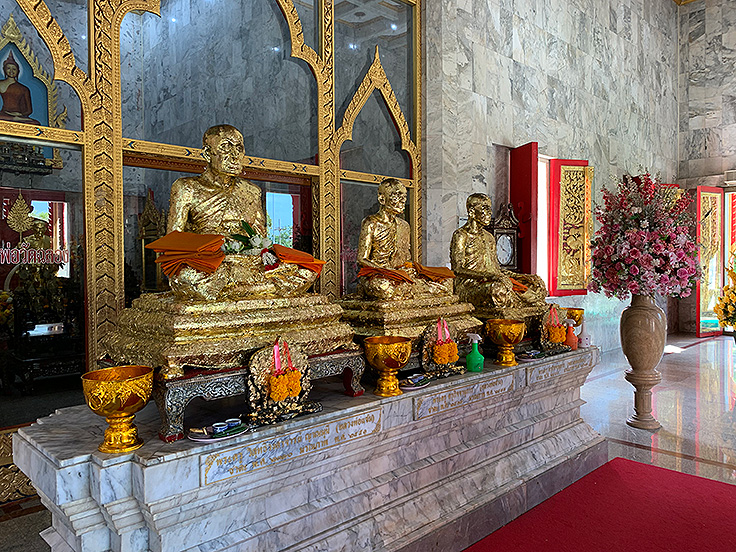
Buddha and Monks
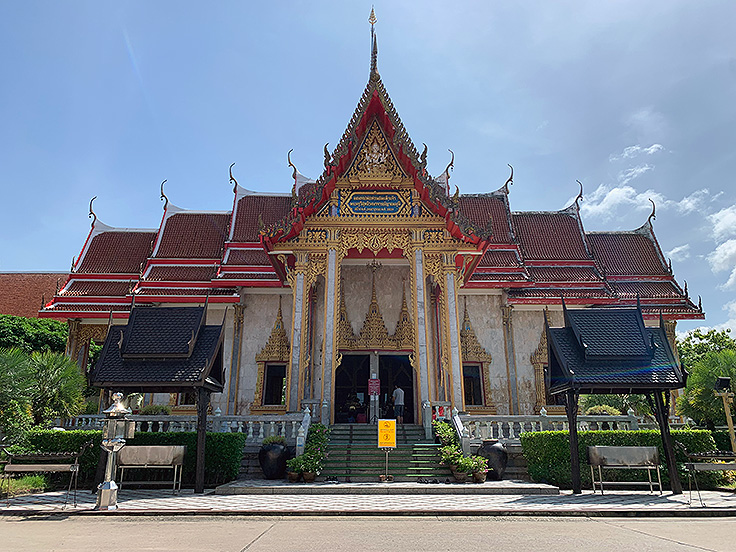
Wat (Temples)
Temples (Wat) are the most sacred places for Thais. Visitors should avoid wearing shorts, sleeveless tops, or other revealing clothing. Thai monks are strictly prohibited from any contact with women, so avoid approaching or speaking to them unnecessarily.
Additionally, taking photos of Buddha statues for amusement, or touching them, is strictly forbidden. To avoid trouble, do not pose next to a Buddha statue for photos, and women should avoid wearing revealing clothing when taking pictures with statues.