

- pjiphi.jpg
Welcome to Hoboya Phuket!
- divinglicens.jpg
#1 in Licensed Certifications – Dive with Confidence!
- whale shark.jpg
Daily Fun Dives in Four Amazing Directions
- mantaray.jpg
Spot Manta Rays Here in Phuket!
- nemo.jpg
Meet Nemo on Our Popular Trial Dives
- divingboat.jpg
Connect with Fellow Ocean Lovers


Thai Currency
About Thai Currency
The currency of Thailand is the Baht (฿) and Satang (S).
1 Baht = 100 Satang.
Coins come in 25 Satang, 50 Satang, 1 Baht, 2 Baht, 5 Baht, and 10 Baht. Banknotes come in 20, 50, 100, 500, and 1000 Baht.
All coins and notes feature the portrait of King Bhumibol or King Vajiralongkorn. Satang coins are rarely seen on the streets and are mainly used in large supermarkets or convenience stores. When taking a taxi or buying food at street stalls, it’s useful to have small notes for tips. Especially for taxis and stalls, change from 1,000 Baht notes is often unavailable.
Banknotes and Coins Used in Phuket
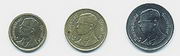
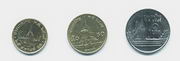
▲From left: 25 Satang, 50 Satang, 1 Baht coins
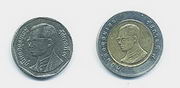
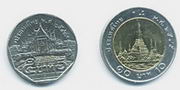
▲From left: 5 Baht, 10 Baht coins
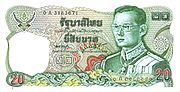
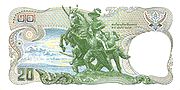
▲20 Baht note
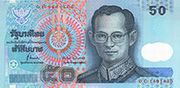
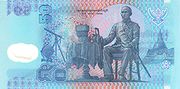
▲50 Baht note
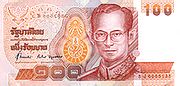
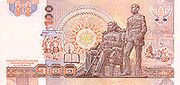
▲100 Baht note
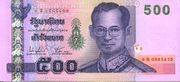
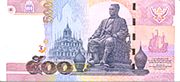
▲500 Baht note
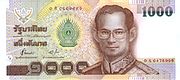
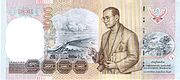
▲1000 Baht note (highest denomination)
Exchanging Japanese Yen to Thai Baht
Where is the best place to exchange?
You can exchange Japanese Yen to Thai Baht in Japan, but the rates are extremely poor. At Bangkok or Phuket airports, there are banks and exchange counters open for arriving passengers, so there’s no need to exchange much beforehand. It’s convenient to exchange some cash at the airport upon arrival. In Bangkok and Phuket city, banks (closed on weekends and holidays), bank-affiliated exchange offices with “EXCHANGE” signs, and travel agencies also provide exchange services. There’s no need to bring US dollars specifically for Japanese Yen exchange. Bank-affiliated exchange offices generally offer the best rates, while travel agencies or hotels may offer slightly lower rates. Rates are displayed daily, so it’s good to check if you want the best deal. When exchanging, ask for a mix of smaller bills for convenience.


